Max Angeloni - Fotografo
Max Angeloni - Fotografo professionista specializzato in wedding, ritratti, moda, reportage e stampa fine art
ADZERO
ADZERO
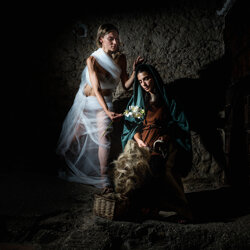
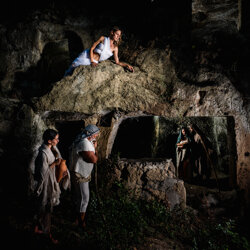
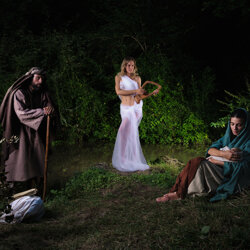
Annunciation, Nativity, Escape into Egypt.
The big problem is this. If you ask 100 people to describe how they imagine the "Nativity," you'll get 100 different answers.
Religion, history, traditions, and customs have always intermingled and overlapped in a perpetual motion, and all of this makes it difficult to describe an event, stripped of all non-essentials.
Only two Gospels tell this story: Matthew and Luke. And the accounts substantially agree on only a few points.
Jesus was born in Bethlehem during the time of Herod the Great; Joseph and Mary were his parents; an angel announced the birth of the child who would be named Jesus and be conceived by divine intervention.
And then... that's it.
In short. According to Matthew, the annunciation by an angel was made to Joseph. According to Luke, the angel addressed Mary.
For Luke, Jesus' birth occurred in Bethlehem because his parents left Nazareth for a census. Matthew, however, suggests there was no journey because they were already living in Bethlehem.
And then... for Matthew, Jesus was born at home; for Luke, in a manger.
For Luke, Jesus was adored by the shepherds, but nothing is said about the Three Wise Men. On the contrary, for Matthew, there were the Three Wise Men, but no adoration by the shepherds.
And to conclude this (incomplete) summary, for Matthew, after Jesus' birth, the Holy Family fled to Egypt to escape Herod's persecution; Luke makes no mention of any of this.
What happened to all the elements we imagine to be obvious in a nativity scene?
It's difficult to answer.
With the Protoevangelium of James (mid-2nd century), some elements were added, such as the cave, the ox, and the donkey. For the comet, we have to wait until 1301 and Giotto's hand, who decided to include the passage of Halley's Comet in his painting (Scrovegni Chapel, Padua).
We could go on for hours listing all the elements that have overlapped with the original accounts over the centuries. But trying to reconstruct such an event while remaining as faithful as possible to the facts is impossible.
For this reason, in creating ADZERO, we decided to focus on three key points: The perfect historical consistency of all the elements present in the scene.
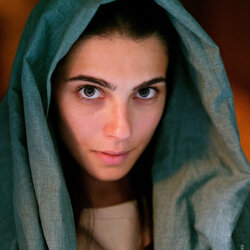
Deepening the psychological aspects of the protagonists.
Settings capable of combining geographical compatibility with figurative tradition.
As always, Vincenzo Ricciarello and Massimo De Clementi ensured the historical consistency of all the elements present in the scene. Clothing and accessories were created, recovered, and adapted.
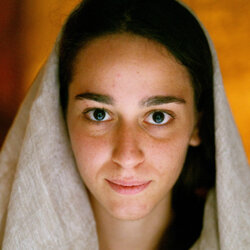
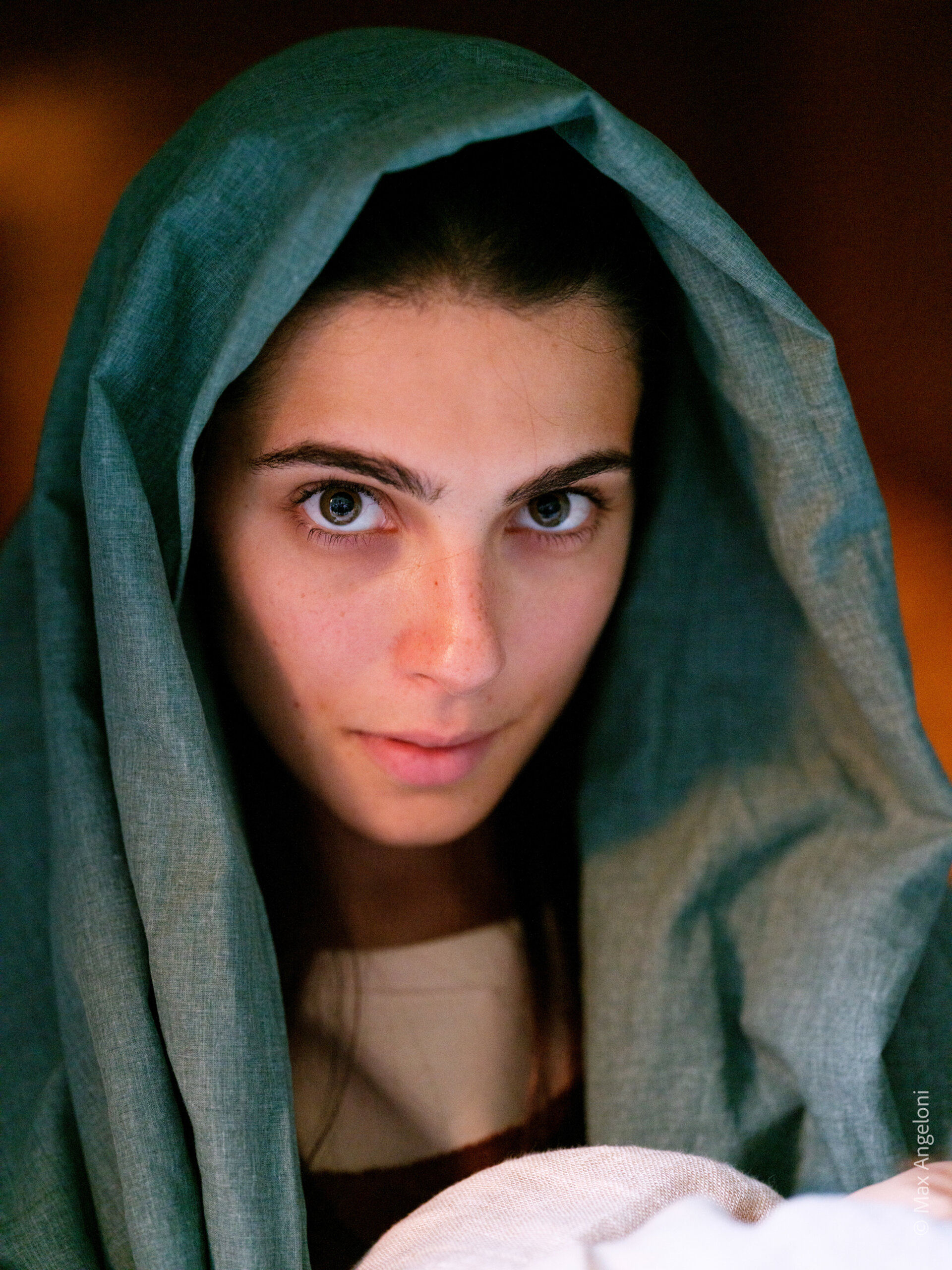
On set, it truly felt like we had traveled back two millennia. To outline the characters, we imagined Mary as a very young girl who surrenders to divine will with the grace and determination that only a mother can possess.
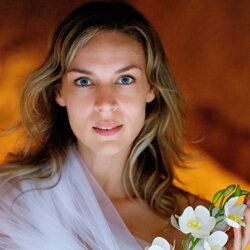
As an angel, an ethereal figure, the link between heaven and earth, capable of illuminating every scene with her light and divine beauty.
All under the constantly watchful gaze of Joseph.
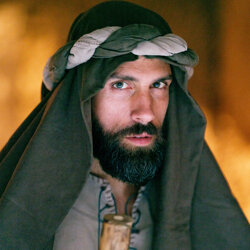
Joseph is always silent but never absent. Indeed, his silence is that of a father intent on protecting his family. This was made possible by those who, as always, with affection and passion, enthusiastically joined the project.
Gilles Rocca embodied a perfect Saint Joseph, bowed under the weight of his enormous responsibilities.
Silvia Sera was a divine angel capable of illuminating the scene and the future of humanity. Ludovica Galli was a very young girl who becomes the mother of the Son of God and the mother of us all.
For the locations, however, we needed real help from heaven. And this help from heaven materialized in the form of my friend Claudio Pisani and the mayor of Calcata, Sandra Pandolfi.
In addition to offering the patronage of the municipality of Calcata (VT), they allowed us to shoot inside one of the most charming villages in Italy. Claudio also impeccably handled all the logistical arrangements.
All this illustrates the importance of planning, collaboration, choosing the right people, and choosing the right photographic equipment to complete such a complex project. In photography, as always, there's no need to take 1,000 photos searching for the right pose or hoping that the perfect shot will emerge from the pile. The longer the shooting session goes on, the more tired everyone on the project becomes. The real work, the hard work, happens before and after.
The moment we take a photograph must always be a moment of joy because it's the moment a project born of great passion comes to fruition... our passion: photography.
ADZERO
Max Angeloni: Photographer
Gilles Rocca: Giuseppe
Silvia Sera: The Angel
Ludovica Galli: Maria
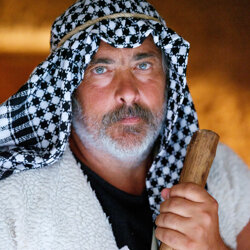
Massimo De Clementi: Shepherd
Silvia Ricciarello: Farmer
Valter Ventrone: Photography assistant
Assistant Costume and coordination: Vincenzo Ricciarello, Massimo De Clementi
Location and organization: Claudio Pisani
Production assistant: Jacopo Pisani
Patronage: Municipality of Calcata Heartfelt thanks to the mayor of Calcata, Sandra Pandolfi, a great friend who once again championed the art of photography.